
 admin
admin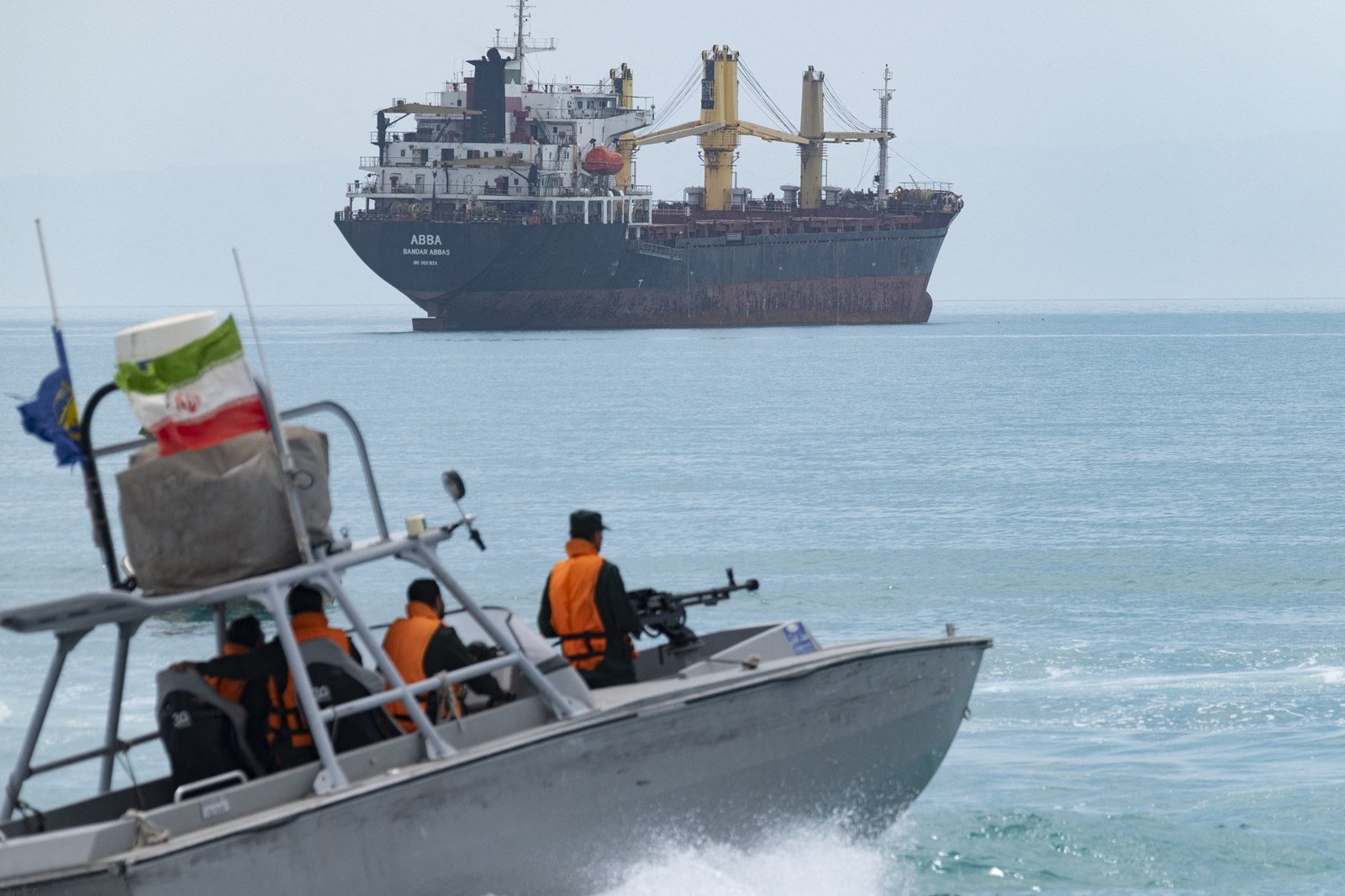
Iran is relying on a combination of military and paramilitary strategies in its tense standoff with the United States. Central to these strategies are its missile capabilities, which Tehran has threatened to deploy as a deterrent, along with the possibility of escalating the conflict to a regional level. Yet Iranian decision-makers regard another key deterrent as crucial: a geostrategic card employed for over a decade, now leveraged more actively to pressure international actors into avoiding military confrontation and to push the Trump administration toward negotiations focused solely on the nuclear issue, rather than delving into other contentious matters.
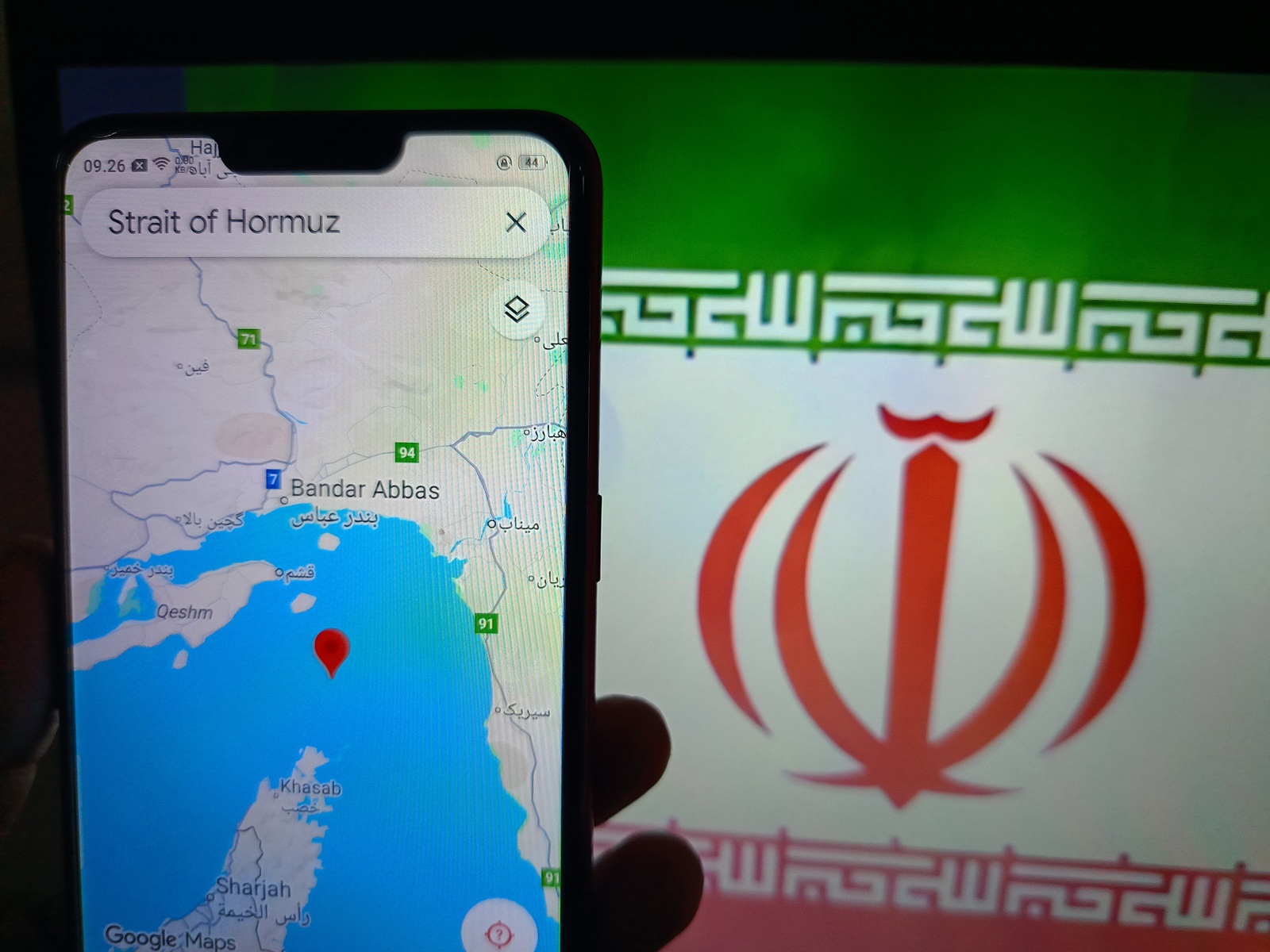
The Strait of Hormuz, linking the Gulf and the Sea of Oman, is a strategically vital waterway that Iran uses as leverage in international affairs. By threatening to block global navigation through the strait, Tehran seeks to influence the global economy and assert its presence on the world stage. In recent years, Iran has repeatedly threatened to use this tactic within the formula “everyone can sell oil or no one can sell oil” to counter American and international efforts aimed at eliminating Iranian oil exports. Multiple Iranian officials have stressed that any conflict with Iran would inevitably lead to the shutdown of maritime traffic through the Strait of Hormuz.
The Iranian Revolutionary Guard recently announced the launch of a naval exercise called “Smart Control of the Strait of Hormuz” in this strategic area. The drill follows the postponement of joint maneuvers that were planned with Russia and China last month due to regional tensions. This underscores Iran’s view of the strait as a strategic asset in its ongoing confrontation with the United States.
The Significance of the Strait of Hormuz
Iran considers the Strait of Hormuz a crucial and powerful deterrent, given its strategic location connecting the Gulf region, which holds over 48% of the world’s oil reserves and 40% of its gas reserves. Alongside the Strait of Malacca in Southeast Asia, it serves as one of the most vital maritime routes for global trade and regional economies.
In terms of international trade, the strait’s importance is underscored by statistics showing that around 11.1% of global maritime commerce passes through it. Approximately 16.5 million barrels of crude oil transit the corridor daily, representing 34% of seaborne oil. Additionally,data indicates that 19.5% of global gas exports, 25.7% of gaseous liquids and 8% of the world’s cement trade rely on this passage.
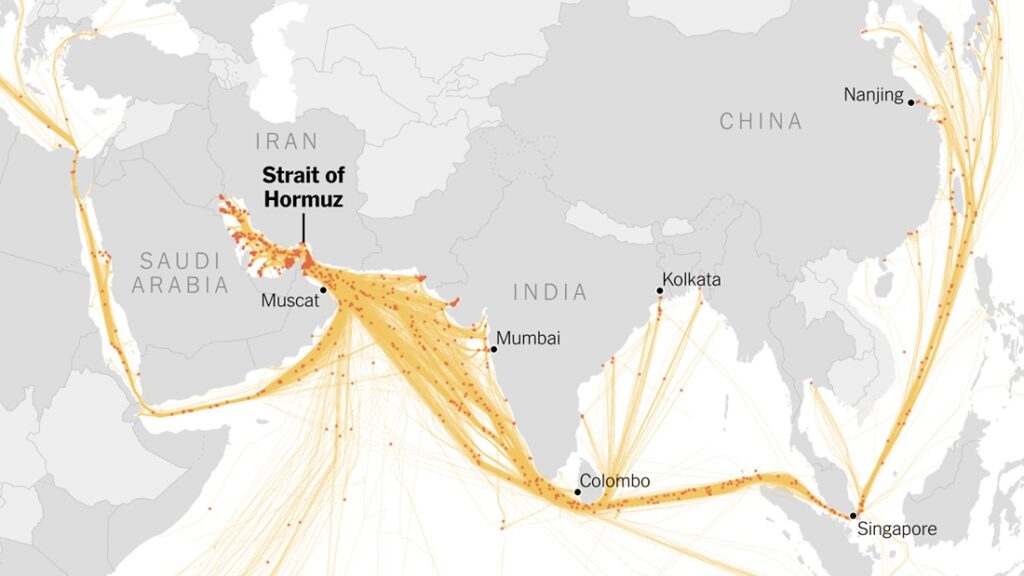
Asia’s growing economies are particularly dependent on oil shipments through the Strait of Hormuz. Statistics indicate that around 69% of the crude oil transported via the strait is destined for China, India, Japan and South Korea collectively. China alone accounts for at least 38% of this oil flow, depending on the strait for roughly 5.4 million barrels per day – roughly half of its total crude oil requirements.
The Gulf region’s economies rely heavily on revenues from oil, gas and related products, making them classic rentier economies. The Strait of Hormuz plays a crucial role in sustaining this dependence. Statistics indicate that Saudi Arabia exports roughly 7.2 million barrels of oil and gaseous liquids daily through the strait, while the UAE ships about 4.4 million barrels, Iraq around 3.6 million, Kuwait about 2.3 million and Qatar around 1.25 million. Iran also depends on the strait, exporting approximately 2.15 million barrels of oil and derivatives each day.
Beyond energy, the strait is critical for broader global trade. Around 10% of food shipments, 14% of chemical products and 27% of mineral products pass through it. This solidifies the Strait of Hormuz’s centrality to both regional and global economies.
Based on the information provided, it is clear that Iran views the strait as a crucial strategic asset for deterrence. The potential consequences of shutting down the strait are intended to make international decision-makers think twice before taking actions that could provoke such an outcome. Tehran argues that closing the strait would have a profound impact on the global economy and strengthen Iran’s deterrent capabilities – potentially surpassing the effectiveness of ballistic missiles in several aspects:
- A closure of the strait would have a profound impact on the global economy, particularly through surging energy prices. Recent data shows that conflicts in the Middle East and production stoppages have already driven oil prices up by approximately 14%. Analysts estimate that for every 1% decrease in global oil supplies, prices could rise by 2-5%, potentially resulting in increases of 70-170% compared to current levels. These projections align with estimates by international monitoring centers, which anticipate oil prices reaching $100-$160 per barrel if Gulf supplies were disrupted by a prolonged closure. Such a scenario would likely slow global economic growth rates and fuel inflation worldwide, driven by sharply higher energy costs.
- For the European Union, the consequences would extend far beyond halted oil supplies and rising prices. The strait is also a critical transit route for natural gas shipments from Qatar to Europe. Following Russia’s invasion of Ukraine and the subsequent sanctions regime, EU member states are now increasingly dependent on Gulf energy. Despite recent efforts to expand gas storage capacity, any disruption or prolonged halt in supplies would undermine energy security and drive prices sharply higher across Europe.
- The most significant repercussions would likely be felt by China’s growth-driven economy, which relies heavily on crude oil imports. As the world’s largest crude oil importer, China would be swiftly and directly affected by any closure of the Strait of Hormuz. Such a disruption could suspend nearly half of China’s oil imports, compounded by a sharp surge in global oil prices. This dual shock could place substantial strain on China’s economic stability, while its strategic petroleum reserves may not be sufficient to offset the impact of a prolonged supply interruption.
The repercussions of a Strait of Hormuz closure – ranging from disruptions to food security in the Middle East due to halted grain and food shipments to immediate spikes in fuel prices – would be enormous and could trigger significant global economic upheaval. From this perspective, Tehran is inclined to consider leveraging this card as a deterrent, using its potential effectiveness to dissuade the United States from entering into open confrontation. At the same time, the scale of the risks pushes affected and influential parties toward de-escalation strategies aimed at reducing tensions and lowering the likelihood of the strait’s closure.
Adverse Repercussions for Iran
Despite the strategic appeal of closing the Strait of Hormuz – given its potential repercussions on regional and global economies, which might tempt Iran to use or at least threaten this option as a deterrent asset against an imminent military attack – the decision is far from simple. Significant adverse consequences make Iranian leaders hesitant to act on this threat. The most important considerations include:
- Iran’s economy relies heavily on the strait, both for oil and petroleum product exports, which form the backbone of its GDP, and for revenues from essential goods on which its fragile economy depends. Tehran exports more than two million barrels per day through the strait. Although Iran has sought to reduce this dependence over the past decade –developing the Chabahar port on the Gulf of Oman – the bulk of its oil exports and imports still pass through Gulf ports.
- At the geo-military level, closing the strait would escalate the confrontation from a bilateral dispute between Iran and the United States – in which other parties remain neutral – into a broader conflict involving states whose strategic interests are directly affected. This raises the likelihood of an international coalition forming against Iran. For regional actors, such a closure would be perceived as equivalent to an Iranian counterattack on facilities within their territories, pushing them out of neutrality. On a wider scale, shutting down the strait would provide international actors with a compelling justification to confront Iran, given the threat it poses to global economic security and its violation of the UN Charter, potentially placing Iran under Chapter VII of the charter. If Tehran expects that merely threatening closure will prompt China to pressure Washington toward compromise, actually implementing the move would likely backfire – driving China to join international pressure on Iran, since the economic repercussions for the Chinese economy would be severe.
These adverse consequences, combined with practical obstacles, remain major impediments to implementing the closure of the strait. As a result, the threat is most effective when kept at the level of rhetoric, serving as a deterrent without being acted upon. However, Iran may still consider the option viable if its leadership perceives the conflict as existential and believes the United States is determined to undermine the regime’s survival.

Conclusions and Possibilities
The Iranian political establishment views the Strait of Hormuz as a bargaining chip to be used not only economically, but also politically and strategically. Ideological priorities further drive Tehran to emphasize this card as a deterrent, reflected in the military’s decision to reinforce its presence at two of the five naval bases operated by the Islamic Revolutionary Guard Corps (IRGC). As tensions with the United States persist, with the risk of escalating into a military confrontation, the strait’s role as a key deterrent becomes increasingly evident – particularly given Iran’s growing threats to close it to international shipping. Should Iran pursue this scenario, several possibilities emerge:
1.Prolonged Closure: The worst-case scenario involves Iran closing the strait for an extended period, using methods such as sinking a large cargo ship at the bottom of the strait or planting mines and explosives. This would transform a military confrontation with the United States into an international war, while unleashing severe economic repercussions, including inflation, rising global oil prices and recessionary pressures in economies such as India, China and Japan. Gulf countries, heavily reliant on the strait for their oil and gas exports and imports of essential goods, would be hit hardest.
2.Short-Term Closure: Iran could attempt a temporary closure by deploying military forces along the strait and nearby islands or coastal bases, such as in the Naze’at region and Hormozgan Province. Although this scenario might appear manageable through targeted military strikes to neutralize those forces, from a US perspective, it would likely result in the strait remaining closed for several days. Even a short disruption would negatively affect regional and global markets. While the economic repercussions would be less severe than in the first scenario, they could also generate long-term consequences, potentially plunging the Gulf region’s economic stability into uncertainty.
3.Threats Without Action: Tehran’s preferred option is likely to stop at issuing threats rather than implementing closure. This restraint could stem from concern over the severe consequences of implementation, from the effectiveness of coercive signaling in persuading influential actors to moderate their positions toward Iran, or from a strategic calculation not to exhaust a strategic deterrent instrument that has proven effective in recent years. Although this scenario would spare the region and the global economy the immediate costs of closure, it would leave the threat intact in a dormant state, allowing Iran to reactivate it in the future, unless radical solutions are developed to neutralize this risk entirely.