
 admin
admin
The missiles that crossed Gulf skies were not merely a passing military event; they were a revealing moment of a deeper transformation in the regional security equation. When war reaches the airspace of states that have long relied on diplomacy and de-escalation to manage tensions, it signals that the rules of engagement in the Middle East are shifting. The Gulf is no longer simply a space affected by surrounding conflicts; it has become part of their strategic calculus.
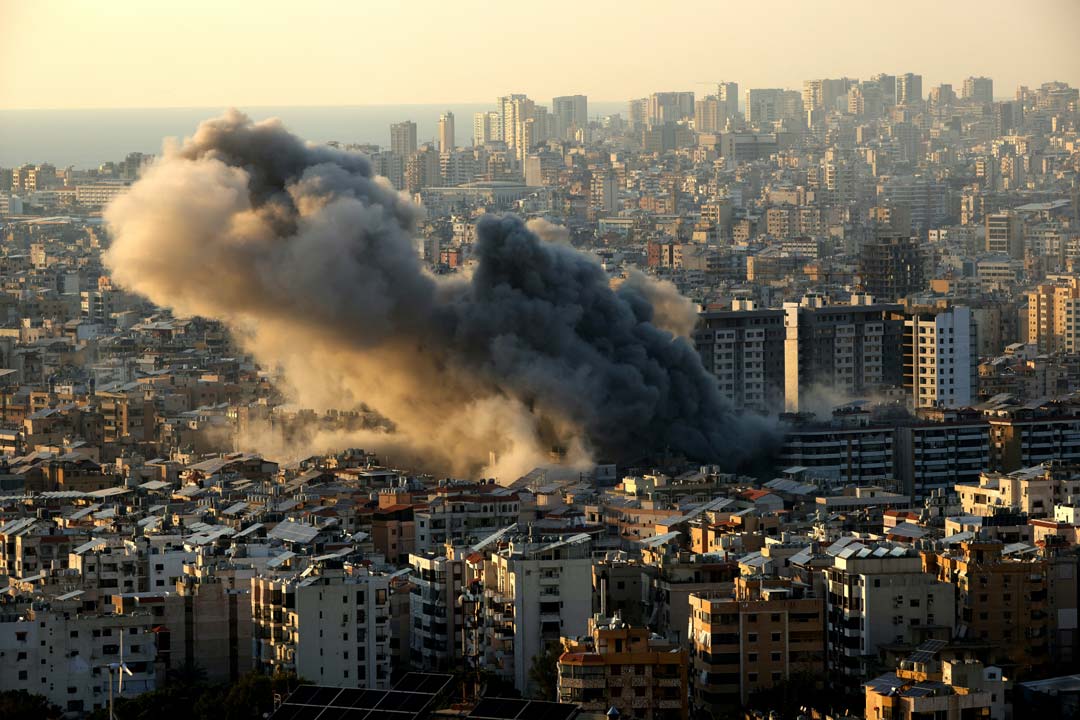
The missile and drone attacks that targeted Gulf states amid the broader regional confrontation demonstrated that warfare in the Middle East is no longer confined to traditional battlefronts. Conflict now extends to energy infrastructure, maritime routes and the airspace that forms the arteries of the global economy. In this context, Gulf security can no longer be defined by the avoidance of war alone, but by the ability to manage its consequences and build a deterrence architecture capable of preventing its recurrence.
This moment represents a critical test for the model of stability that Gulf states have sought to build over the past decades. While they have succeeded in constructing resilient economies and extensive networks of international partnerships, the new strategic environment requires a shift from risk management to reshaping the region’s security architecture itself.
From Neutrality to Targeting
For many years, Gulf states attempted to manage their position within regional conflicts through a mix of preventive diplomacy and the avoidance of direct involvement in major confrontations. Yet recent developments have exposed the limits of this approach in a strategic environment increasingly defined by asymmetric warfare.
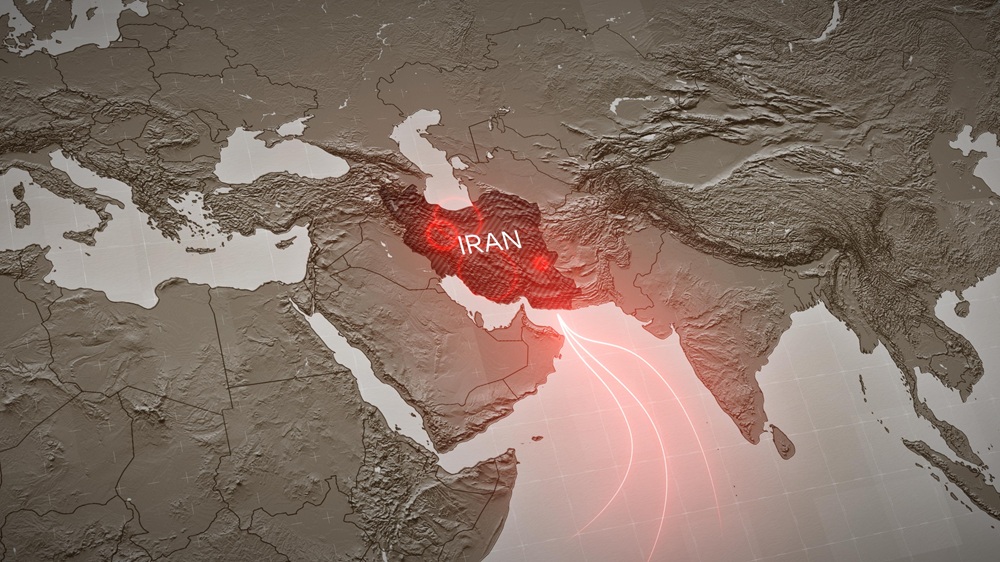
In Iranian military calculations, neutrality is not measured by political declarations but by operational realities. The presence of US military bases, Western logistical infrastructure and intelligence support networks in the Gulf places these states – at least from Tehran’s perspective – within the theater of operations, even if they have officially declared non-participation in the war.
This shift reflects a broader transformation in the definition of battlefields in the Middle East. Modern wars are no longer fought solely along traditional front lines; they extend to the logistical, economic and technological spaces that sustain military operations. Given its geostrategic location and its network of international connections, the Gulf has inevitably become part of this equation.
Testing the Deterrence Architecture
Recent attacks have demonstrated that the nature of security threats in the Gulf has changed fundamentally. The challenge is no longer limited to confronting conventional armies, but rather to dealing with hybrid threats that combine ballistic missiles, drones and other forms of asymmetric warfare.
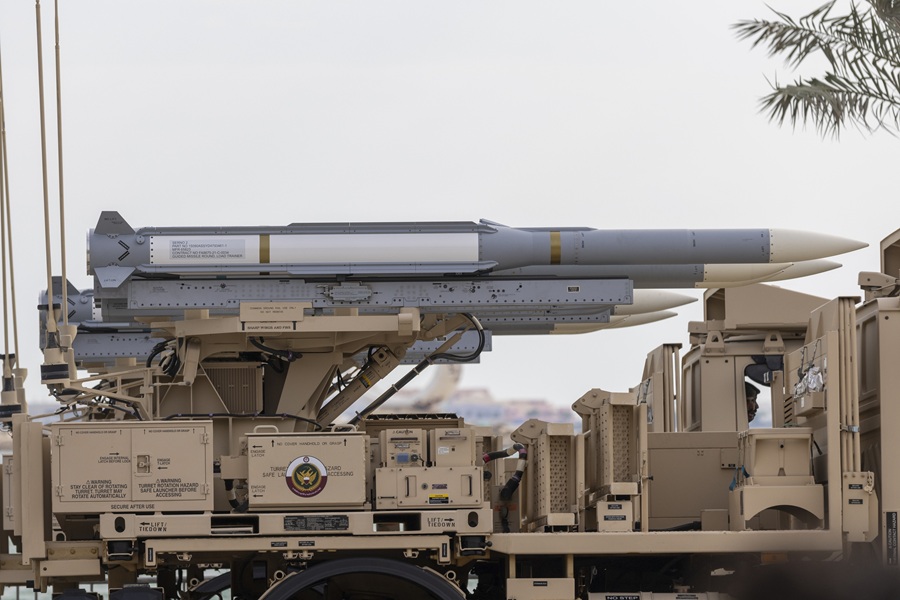
At the same time, these attacks also revealed the advanced level of Gulf defensive readiness. Air defense systems managed to intercept a large proportion of incoming missiles and drones, reflecting significant progress in missile defense capabilities and early warning systems.
Yet the most important lesson does not lie solely in the effectiveness of defensive systems but in the evolving nature of deterrence itself. In the emerging strategic environment, deterrence is no longer defined only by defensive capacity but also by convincing adversaries that the cost of escalation will outweigh any potential gains. This means that the Gulf deterrence equation increasingly requires a combination of military strength, strategic clarity and credible response capabilities.
Toward a New Concept of Collective Security
The current war is reviving the debate over the future of collective security in the Gulf. Despite the substantial development of individual military capabilities among Gulf Cooperation Council (GCC) states, cross-border threats – particularly missiles and drones – require a much higher level of operational integration.
This reality underscores the need to build a fully integrated regional network for early warning and missile defense, linking Gulf capabilities to those of international partners. Such a system would not only enhance defensive capacity but also strengthen deterrence by creating an operational environment that is far more difficult to penetrate.
The present crisis could therefore become a turning point, pushing Gulf states to restructure their security architecture, moving from traditional models of cooperation toward deeper operational integration based on real-time intelligence sharing and coordinated defensive capabilities.
Economic Security in a Time of War
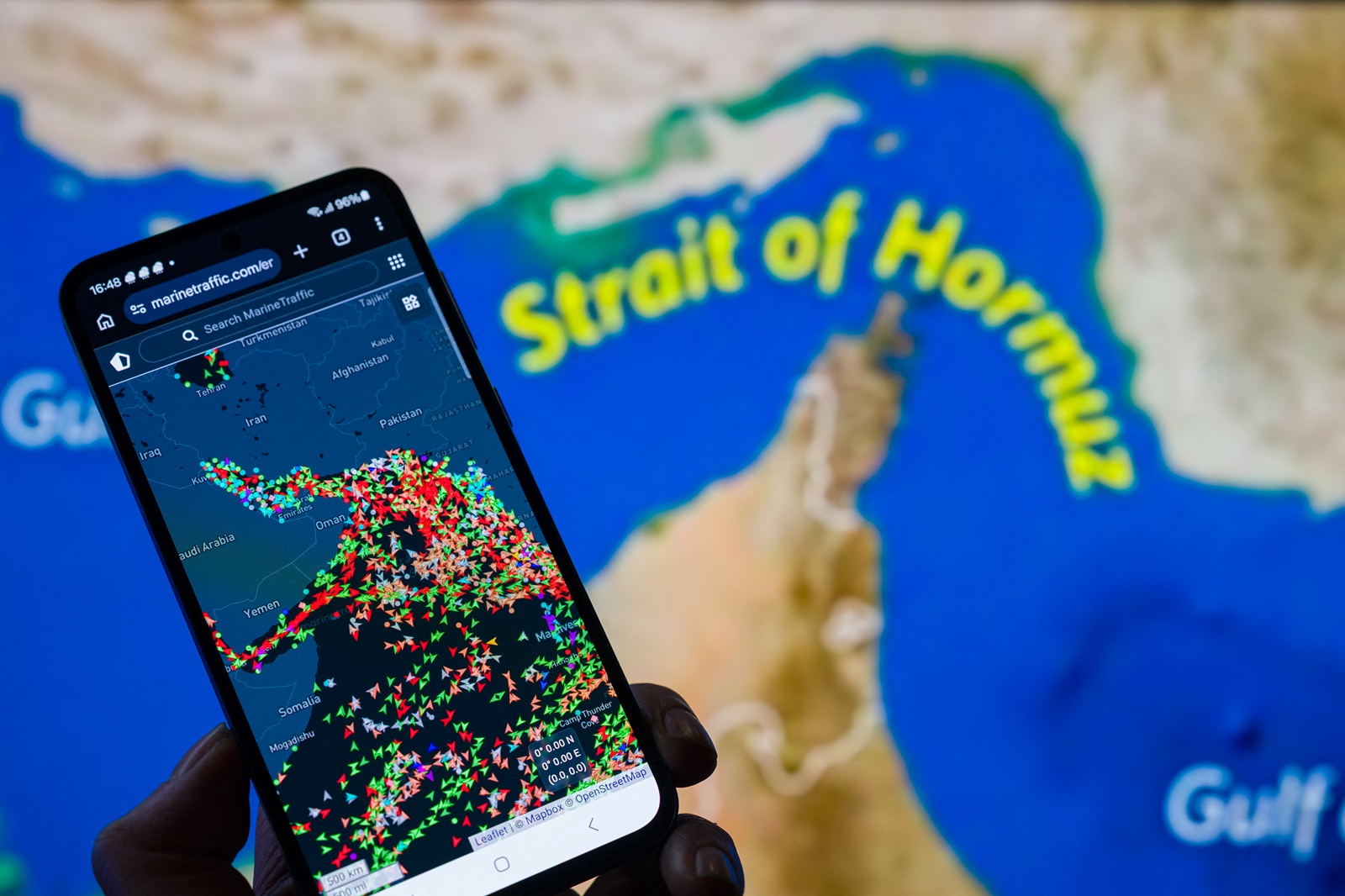
The implications of war extend far beyond the military dimension; they also affect the economic structure of the Gulf. The region represents one of the world’s most critical centers for energy and trade, and any threat to its infrastructure or maritime routes has immediate repercussions for global markets.
Nevertheless, Gulf economies have demonstrated a notable degree of resilience. Thanks to substantial financial reserves and sovereign wealth funds, these states have been able to absorb the initial economic shock of the conflict. The greater challenge, however, lies in sustaining investor and market confidence if attacks evolve into a persistent pattern.
In this sense, economic security has become an integral component of national security. Protecting energy infrastructure, ports and supply chains is no longer simply an economic concern; it is a central pillar of regional strategic stability.
Redrawing Regional Strategic Balances
Whatever the eventual outcome of the current war, it is clear that the security environment in the Gulf will not return to what it was before. Gulf states now recognize that stability is no longer merely a matter of managing tensions, but of building a multidimensional deterrence architecture that combines military strength, economic resilience and proactive diplomacy.
In this context, we may witness important shifts in Gulf strategic thinking, including enhanced air and missile defense capabilities, the development of domestic defense industries and the expansion of security partnerships with major international powers – alongside continued diplomatic efforts aimed at containing escalation.
Conclusion
The current war reveals that the Gulf has entered a new strategic phase. The missiles that targeted the region were not merely instruments of war; they were signals that the rules of regional security are undergoing transformation. It has become clear that stability in the Gulf can no longer rely solely on avoiding conflict, but on building a credible capacity to deter it and manage its consequences.
For Gulf states, the issue goes beyond strengthening air defenses or expanding military capabilities. It also involves redefining the very concept of regional security. The emerging equation requires a multidimensional deterrence system that integrates defense cooperation, economic resilience and proactive diplomacy capable of preventing the slide into broader confrontation.
Ultimately, the central question raised by this war is not only how the Gulf can protect itself from missiles, but also how it can contribute to building a more stable regional security order in a Middle East where wars are becoming less containable and increasingly transnational in their impact. In a world defined by intensifying geopolitical competition, Gulf security will remain a decisive factor – not only for the stability of the Middle East but also for the balance of the global economy.
Dr Ebtesam Al Ketbiis the president of the Emirates Policy Centre.