
 admin
admin
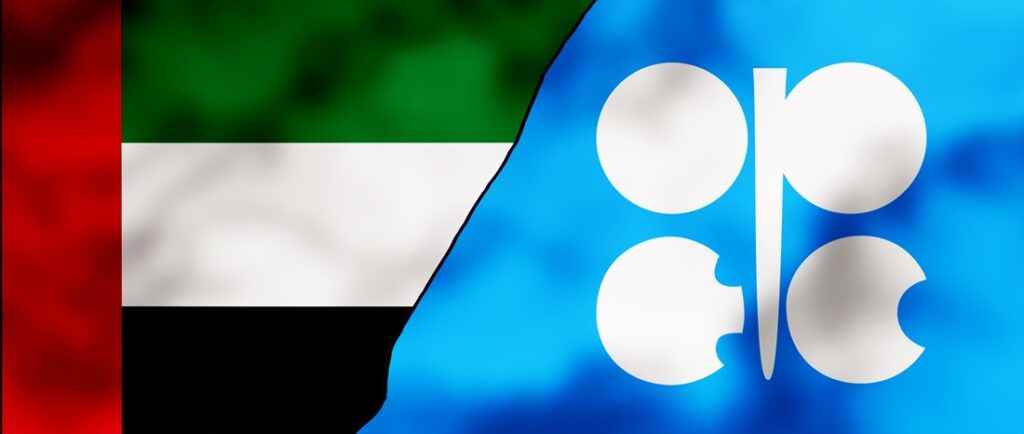
The United Arab Emirates’ exit from the Organization of the Petroleum Exporting Countries (OPEC) is not merely an adjustment in production policy. It signals something far more consequential: the rules that governed oil markets for decades no longer function as they once did. The UAE did not leave over quota disagreements; it left because the traditional model for managing oil market leverage no longer suits a state pursuing a broader strategic agenda beyond oil.
When Coordination Becomes a Constraint
Since its inception, OPEC has rested on a simple premise: coordination among producers enhances their collective weight in managing market volatility and responding to consumer pressures. At times, this approach has succeeded in imposing a degree of discipline on global supply. Yet it has also relied on an implicit assumption—that member states shared sufficiently aligned strategic interests. That assumption no longer holds.
Today, producers’ priorities have diverged sharply. Some states seek to expand output to finance economic transformation or offset accumulated fiscal pressures, while others favor restraining supply to sustain higher prices. This divergence is no longer a technical disagreement over production levels; it reflects deeper differences in state models and in how each country defines its future.
This tension has been visible in recent years, particularly when Abu Dhabi pushed to raise its production baseline within OPEC, while others insisted on tighter constraints. At this point, the organization’s limitations come into view. The issue is no longer compliance with agreed rules, but whether the system underpinning the organization can accommodate such divergence. Designed for a simpler oil market, OPEC now confronts member states whose interests are no longer defined by oil alone.
Sovereignty Before Discipline
Leaving a coordinated framework like OPEC carries costs. It can heighten market volatility and weaken collective crisis management. But this assessment presumes that coordination remains the most effective tool for managing risk—an assumption that is becoming increasingly difficult to sustain.
In today’s volatile regional and global environment, risks extend beyond supply and demand. Military tensions, disruptions to maritime routes, and the pressures of shifting toward alternative energy sources have all become integral to market dynamics. In such a setting, time itself becomes decisive: swift decision-making often outweighs consensus that arrives too late.
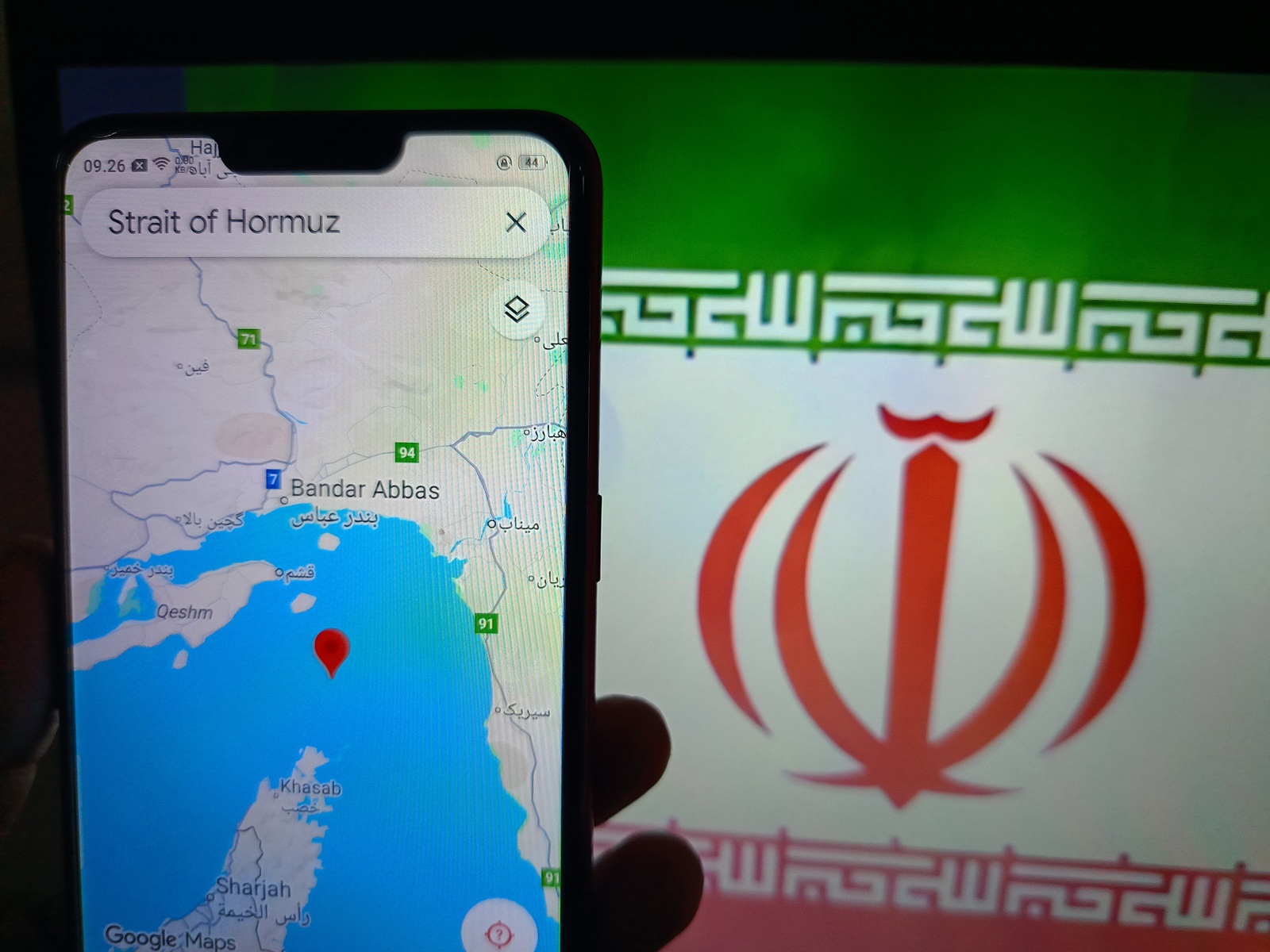
Consider the Strait of Hormuz. When maritime traffic is disrupted, production levels cease to be the decisive variable; the continuity of supply becomes paramount. Flexibility is no longer a luxury—it is a prerequisite for survival. Recent episodes of tension have underscored this reality, with oil prices rising not because of an actual shortage, but because of fears of disrupted flows through the strait.
The question is no longer whether OPEC can coordinate, but whether coordination still matters in the same way.
The UAE, having invested heavily over the past two decades in advanced energy infrastructure, export capacity, and storage capabilities, is now seeking to translate these assets into strategic advantage. Exiting OPEC provides it with greater room to deploy these tools according to its own calculations, rather than those of a collective mechanism slowed by widening internal divergences.
Recalibrating Regional Engagement
The decision also carries implications beyond oil markets, extending to the structure of regional relations within the Gulf. It does not signal a withdrawal from the regional system, but rather a redefinition of the terms of engagement: coordination where it serves national interests, autonomy when constraints outweigh benefits.
This reflects a deeper shift in how power dynamics are managed within the Gulf. Divergence is no longer implicit; it is now being formalized through sovereign policy choices. While some states still view collective arrangements as the primary source of stability, Abu Dhabi appears more inclined toward a model based on diversification of options and reduced dependence on any single institutional platform, regardless of its historical role.
For decades, regional institutions provided a framework for coordination, but they have also imposed limits on maneuverability. Today, the UAE seeks to preserve partnerships without allowing them to become structural constraints. The objective is not to dismantle alliances, but to ensure they do not substitute national decision-making.
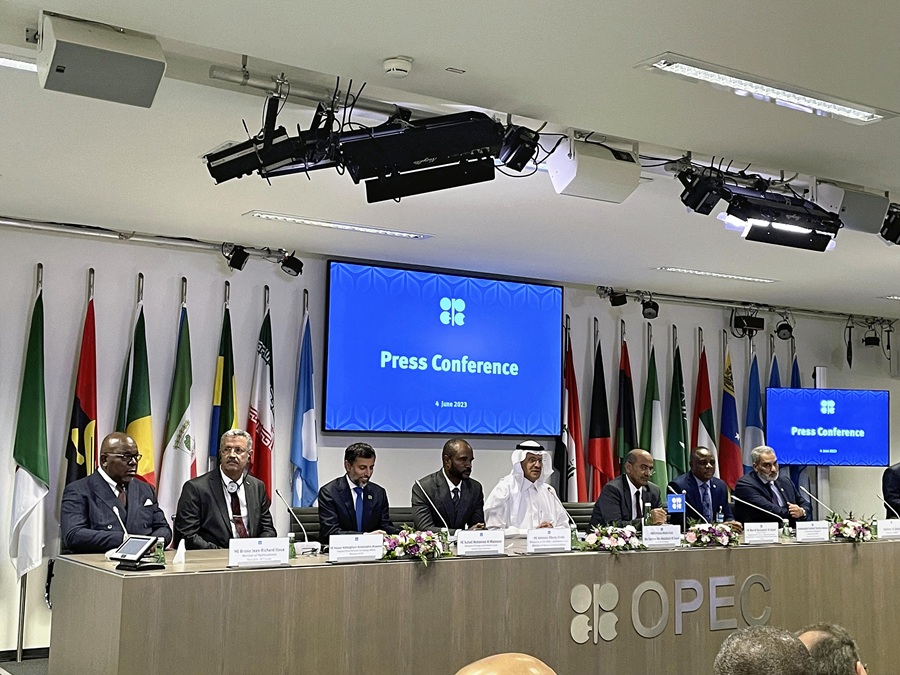
Is OPEC Still Capable of Steering the Market?
The central question is no longer whether the UAE can succeed outside OPEC, but whether OPEC itself can continue to function using its existing tools. What is unfolding is not a deviation from the norm, but evidence that the norm itself is weakening.
OPEC may persist as an institution, but its ability to shape market outcomes is already eroding. The UAE’s decision is simply the clearest articulation of this trend. As divergences among members deepen, the organization may gradually evolve from an instrument of market management into a consultative forum, less capable of enforcing binding commitments.
This does not signal OPEC’s end, but it does suggest the end of its monopoly over the concept of oil market discipline. In the emerging landscape, influence will belong not to those who remain longest at the negotiating table, but to those who can move most swiftly when the table itself shifts.
From Oil to Post-Oil Strategy
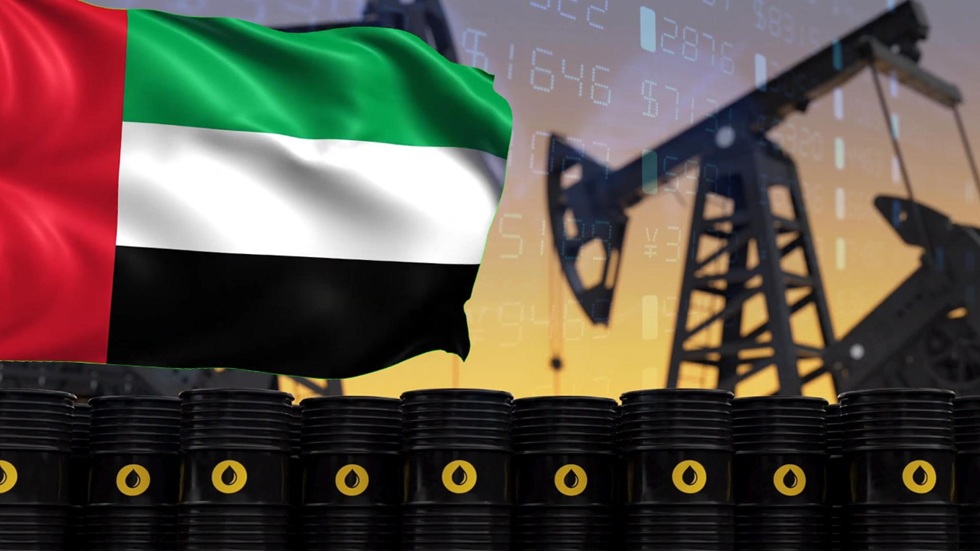
At its core, the decision reflects a broader redefinition of how the UAE understands its role in global energy. Oil no longer defines the boundaries of action; it is one component among many. This is evident in the country’s expanding investments in renewable energy, global infrastructure, financial services, and technology, as well as in the growing international footprint of its national companies across the energy value chain.
This transformation does not diminish oil’s importance, but reframes it. Rather than serving as the sole foundation of leverage, oil becomes part of a diversified portfolio of tools deployed according to context. In this light, exiting OPEC is a logical step—not because oil is losing relevance, but because it is no longer sufficient to define strategic direction.
What the UAE is doing is repositioning energy from a defining identity to an instrument within a broader strategic project. This transition matters: states that define themselves through a single resource often become constrained by it, while those that treat it as a tool among others retain greater strategic flexibility.
A Broader Shift in the International System
The decision cannot be understood in isolation from wider global transformations. The international system is moving toward multipolarity, where traditional institutions are less capable of enforcing compliance, and national-level adaptability becomes more critical. This trend is not confined to energy markets; it is visible across trade, technology, supply chains, and security arrangements.
In this context, the declining effectiveness of collective arrangements does not signal the end of cooperation, but a redefinition of its terms. Cooperation remains necessary, but insufficient if it becomes a permanent constraint. The states best positioned to navigate this environment will be those that combine institutional engagement with the ability to move beyond it when required.
Here, the UAE’s move fits into a broader pattern: building independent capacity for adaptation rather than waiting for slow-moving consensus in a rapidly changing world. This is what makes the decision larger than OPEC—and deeper than oil.
Conclusion
The UAE’s exit from OPEC is not simply an oil policy decision; it reveals a deeper shift in how leverage is managed in global energy markets. What we are witnessing is not merely a dispute over quotas, but a transition from a model based on rigid collective coordination to one that prioritizes sovereignty, flexibility, and speed of decision-making.
In this transition, power lies not only in adhering to established rules, but in recognizing when those rules no longer suffice. The question raised by the UAE’s decision is not only what Abu Dhabi will do beyond OPEC, but whether OPEC itself can adapt to a world that no longer operates on the same terms.