
 admin
admin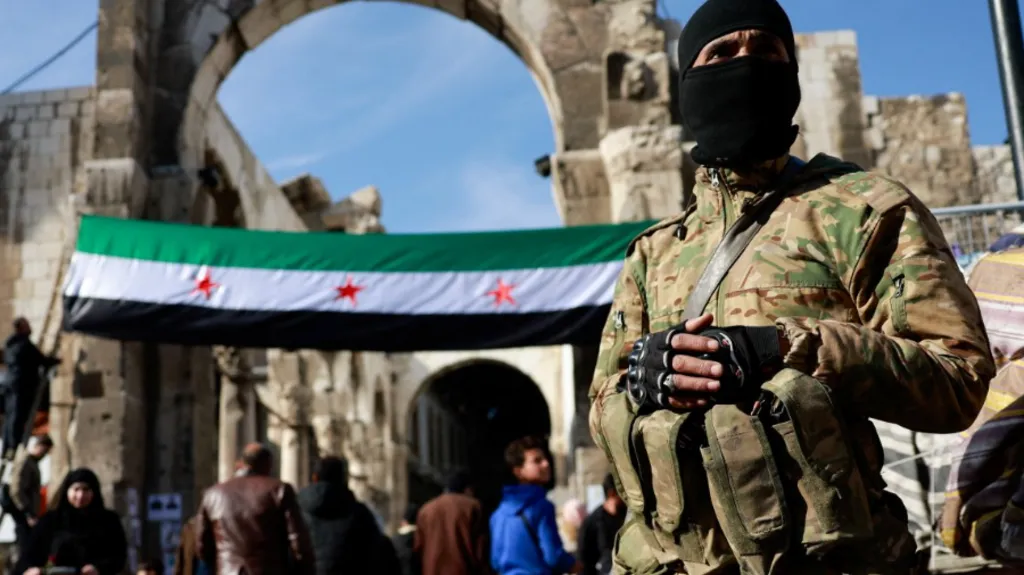
Periodic clashes between hashtag government forces and the hashtag SDF are yet another reminder of how fragile Syria’s hashtag security landscape remains—despite the much-touted 10 March agreement.
.
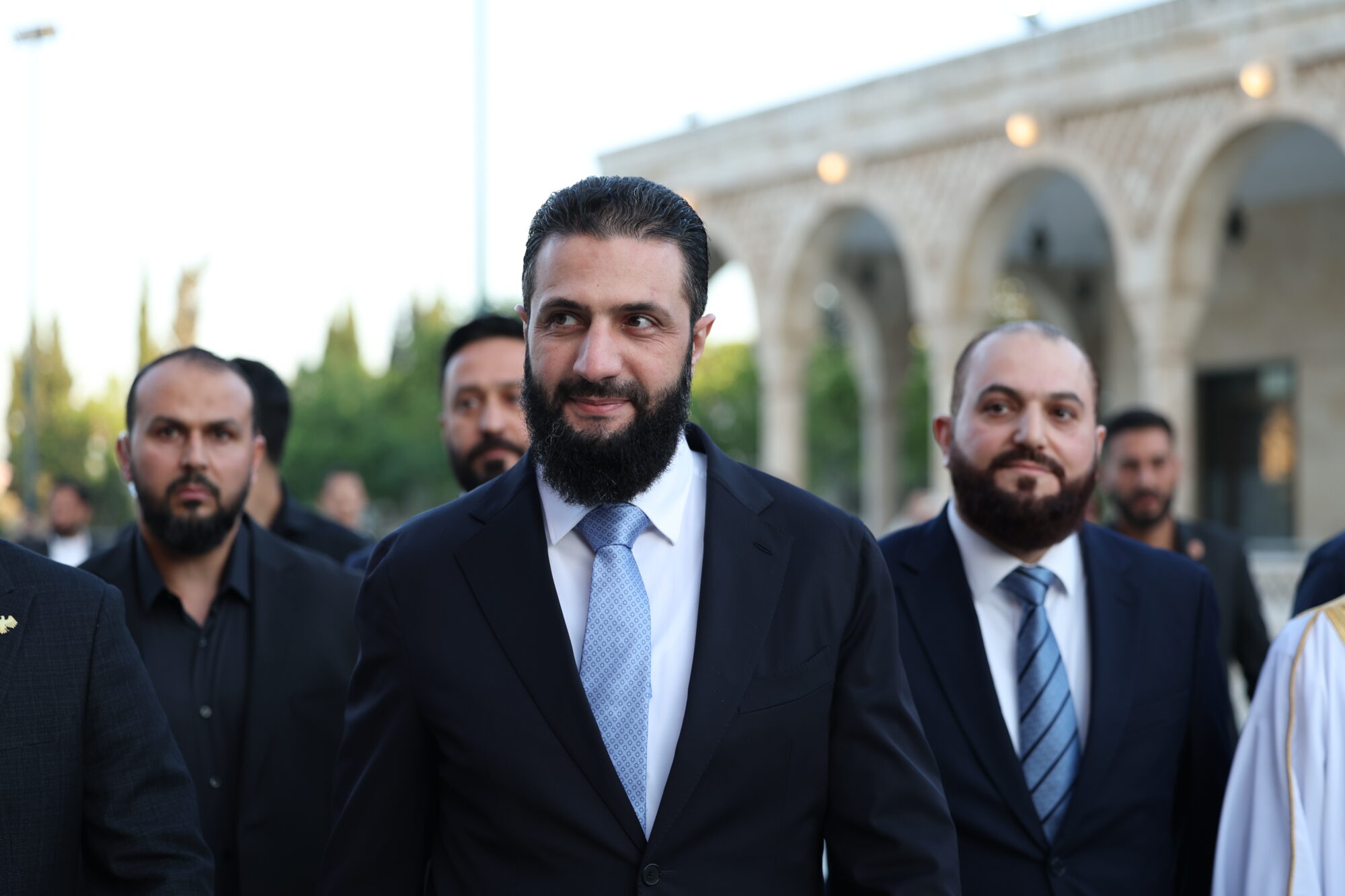
As I argued, meaningful integration was never likely to happen. Over the past year, President Ahmad al-Sharaa’s approach has relied on co-optation, dilution, and absorption. While re-flagging and absorption may have worked temporarily with parts of the hashtag SNA, the hashtag SDF has proven a different case altogether.
.
These clashes should also serve as a wake-up call to Western and regional partners involved in mediation and security sector reform (hashtag SSR). Too often, current security approaches overlook or actively sideline deep structural and institutional gaps.
.
Integration must be understood as both political and technical.
Politically, military integration cannot be treated as a stand-alone process. It must be embedded within a broader political framework, including revisiting the constitutional declaration. This should go hand in hand with genuine army professionalisation and a careful rebalancing of internal power dynamics among factions, particularly those outside the original HTS core.
.
Technically, the new Syrian army requires clear professional standardisation: transparent systems for promotions and demotions, credible incentive structures, and equitable benefits. Without this, integration risks remaining cosmetic and ultimately reversible.
.
Without this professionalism in the army, Sharaa risks the spillover from already “integrated groups” specially if concessions were given to SDF and perceived by other integrated groups as favouritism.
Ultimately, hashtag SSR in hashtag Syria will fail if it continues to prioritise short-term containment over long-term institutional coherence.
.
Mohamad Nasab
Dutch-Arab Center for Strategic Studies